
A stone fireplace showing the firebox opening and surround. Photo: Wikimedia Commons, CC BY-SA 2.0
The Firebox as a Structural Component
The firebox is not simply the visible chamber where wood burns — it is a structural assembly that directs heat radiation into the room, manages combustion airflow through the grate and ash pit, and transitions combustion gases into the chimney throat and flue. Deterioration of any part of this assembly reduces both efficiency and safety.
In Italian practice, the firebox of a traditional open fireplace (camino aperto) is most commonly constructed from firebrick or refractory concrete. Older properties, particularly in Tuscany, Umbria, and rural Lombardy, may have original stone fireboxes that require different assessment criteria than modern refractory constructions.
Section 1 — Refractory Back Panel
The back panel faces the highest radiant heat load and degrades faster than the side walls. Assessment criteria:
1.1 Crack classification
Not all cracks in refractory panels indicate an unsafe condition. The following distinctions apply in standard Italian inspection practice:
- Hairline cracks (less than 1 mm wide): Common in cast refractory panels and are generally acceptable if they do not extend through the full thickness of the panel. Monitor at each inspection.
- Structural cracks (1–3 mm wide, or extending through the panel thickness): Require assessment of the panel's remaining structural integrity. In some cases, high-temperature refractory repair mortar can be applied; in others, panel replacement is indicated.
- Cracks wider than 3 mm, or panels showing delamination: Panel must be replaced before the appliance is used. Combustion gases can bypass the panel and contact building materials behind it.
1.2 Surface erosion
The inner surface of the back panel should be visually uniform. Signs of pitting, spalling, or colour change to white or pale grey over a wide area suggest the refractory material has been thermally stressed beyond its rated operating temperature. This is more common when the fireplace has been used with coal or manufactured firelogs not intended for open hearths.
Italian building regulations (Decreto Legislativo 81/2008 and regional fire codes) require that any heating appliance in a public or multi-unit building be maintained in a condition that does not create a fire risk to adjacent structures. A back panel that has degraded to expose the structural wall behind it constitutes such a risk.
Section 2 — Grate and Ash System
2.1 Grate condition
The grate supports the fuel load and allows primary combustion air to pass upward through the fuel bed. Check for:
- Warped or bent bars — the grate must sit level to ensure even airflow through the fuel; a warped grate concentrates heat unevenly and reduces efficiency
- Missing bars or bars with gaps wider than the manufacturer specification — large gaps allow unburnt embers to fall through into the ash box before the combustion cycle is complete
- Cast iron grates that have cracked through — these must be replaced, not repaired
2.2 Ash box fill level
The ash box beneath the grate must not be filled beyond approximately two-thirds of its capacity. An overfull ash box restricts the upward airflow through the grate, reducing combustion temperature and increasing particulate emissions. In practical terms, a full ash box also presents a contact ignition risk if the accumulated ash contains incompletely cooled embers.
In Italian apartment buildings (condomini), ash removal frequency depends on usage intensity. During the main heating season (October–April in northern Italy, November–March in central Italy), the ash box typically requires emptying every one to two weeks of regular use.
2.3 Damper and throat
The damper, where fitted, controls the size of the throat opening and consequently the draft rate during normal operation. Dampers are not standard in all Italian open fireplaces but are present in more recent installations and in restored historic fireplaces. Check for:
- Damper blade operating freely across its full range of motion
- No debris lodged in the damper channel that could prevent full closure
- Sealing effectiveness when closed — a closed damper should reduce air loss noticeably when the fireplace is not in use
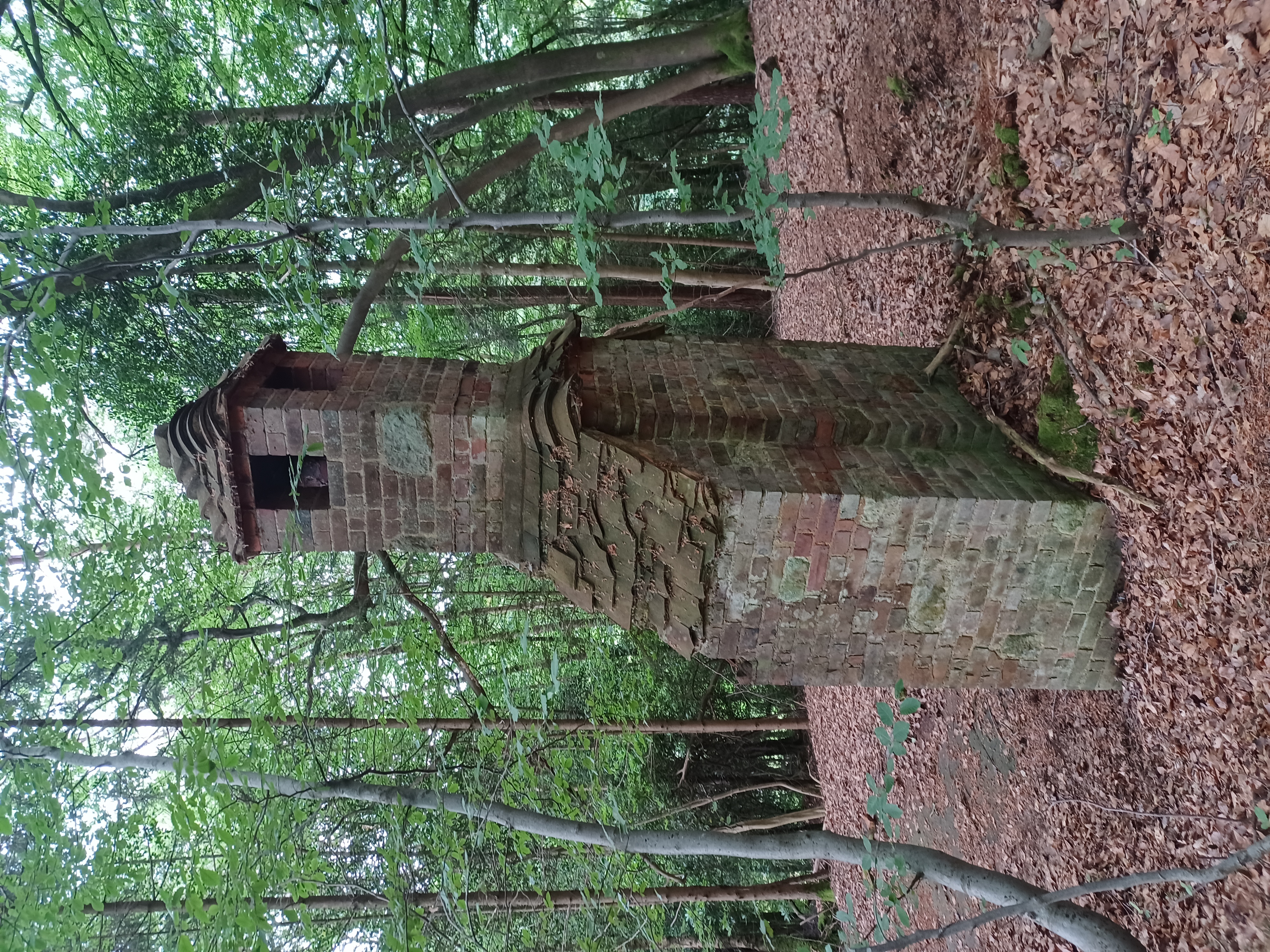
Firebox and chimney masonry structure. Photo: Wikimedia Commons, CC BY-SA 2.0
Section 3 — Safe Ash Removal
Ash removal is a routine maintenance task but carries a specific risk: ash retains heat for considerably longer than it appears to. Embers buried within a bed of ash have been documented as remaining above ignition temperature for up to 72 hours after the last fire. The following procedure applies for all residential wood-burning fireplaces.
3.1 Waiting period
The minimum recommended waiting period before removing ash is 24 hours after the last fire. If the fireplace was used heavily or the ash appears to have any warm areas, extend this to 48 hours. No ash should be removed while any part of the firebox is warm to the touch.
3.2 Equipment and method
- Use a metal ash bucket with a tight-fitting metal lid — never plastic or cardboard containers
- Transfer ash using a metal shovel or scoop; work slowly to avoid raising dust
- Leave a thin layer of ash on the floor of the firebox (approximately 1–2 cm) — this layer acts as thermal insulation for the base and is beneficial for the next fire
- After transferring ash to the metal bucket, keep the bucket outdoors on a non-combustible surface for at least 24 hours before final disposal
3.3 Disposal in Italy
Wood ash from residential fireplaces is classified as household waste in most Italian municipalities and may be disposed of in the general waste stream. In some regions (particularly in areas with strict air quality regulations, such as the Po Valley), local environmental regulations may require ash to be disposed of as non-hazardous special waste if the wood burned included treated or painted timber. Burning treated wood in a residential fireplace is prohibited under Italian law. When only untreated natural wood has been burned, ash can also be used as a garden soil amendment — wood ash raises soil pH and provides potassium.
Never dispose of ash in plastic bags placed directly in outdoor bins without first confirming the ash is fully cold. Fires in waste collection vehicles and outdoor bins from premature ash disposal are recorded regularly by Italian fire services (Vigili del Fuoco).
Checklist Summary
References
- Corpo Nazionale dei Vigili del Fuoco
- UNI — Ente Italiano di Normazione
- Decreto Legislativo 81/2008 — sicurezza nei luoghi di lavoro e negli edifici